Call/Text (251) 979-9396 or Click Here to Book Now!
At Gone Coastal, we believe in the quality and integrity of these products.




Gone Coastal Plumbing and Air provides AC repair, HVAC replacement, heating service, heat pump service, HVAC maintenance plans, indoor air quality solutions, duct cleaning, dehumidification support, and system diagnostics for homes and businesses across Foley and Baldwin County. In coastal Alabama, HVAC problems often involve long AC run times, humidity control, clogged condensate drains, dirty coils, salt-air exposure, and equipment strain during summer travel season.
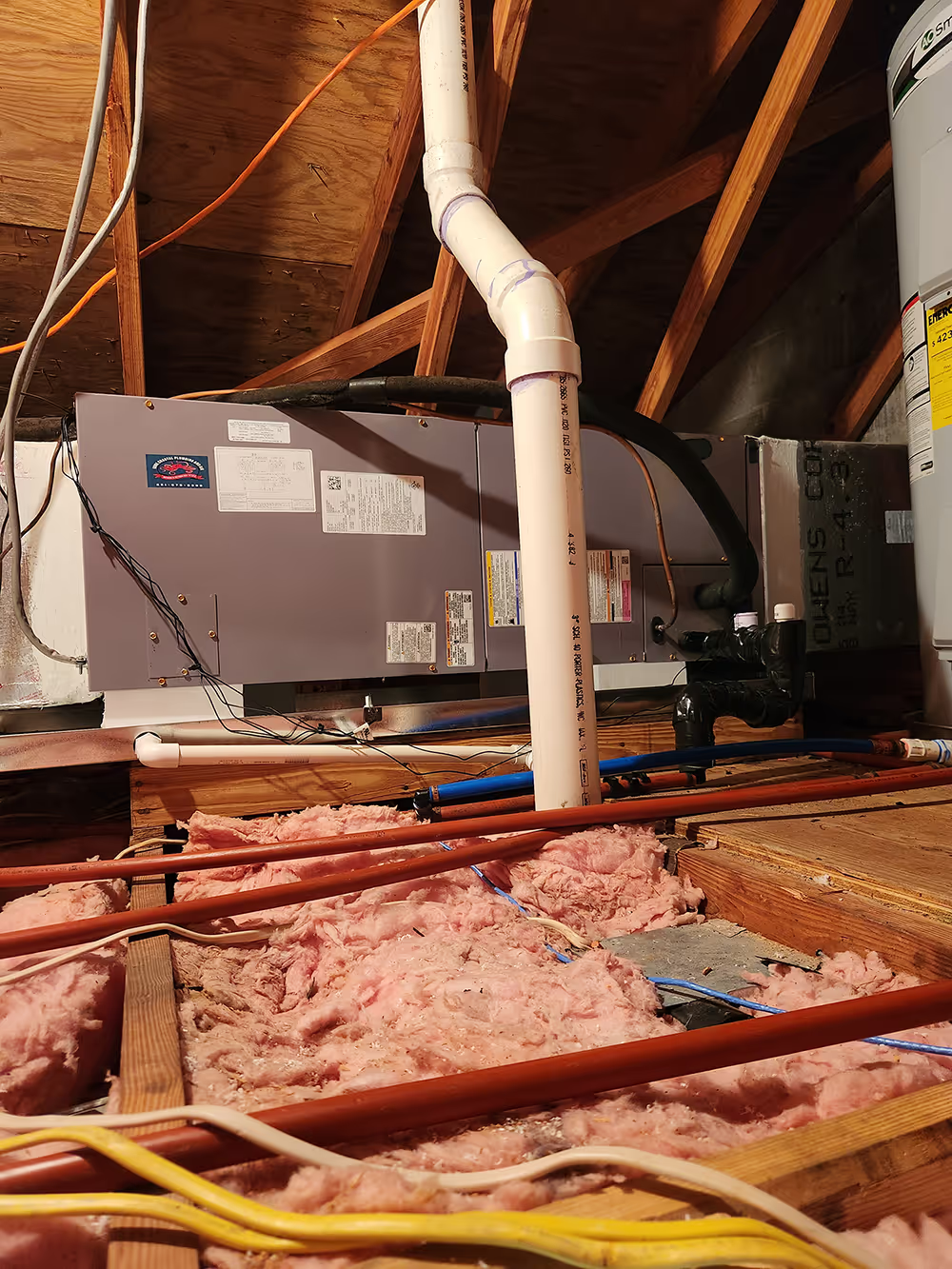
Water leaking from an indoor AC unit, attic air handler, or ceiling vent often points to a condensate drain issue, drain pan problem, frozen coil, or airflow restriction. In Gulf Coast homes, humidity makes the AC remove a large amount of moisture, so drainage problems can show up quickly. This can become urgent if water is near ceilings, insulation, flooring, electrical areas, or finished walls. A clogged drain or frozen coil can also cause the system to shut down or continue leaking until the underlying cause is corrected. Do not open the air handler, pour chemicals into drain lines, or keep running the system if water is actively leaking into the home. Request HVAC diagnostics so the drain, coil, airflow, and safety switches can be checked properly.
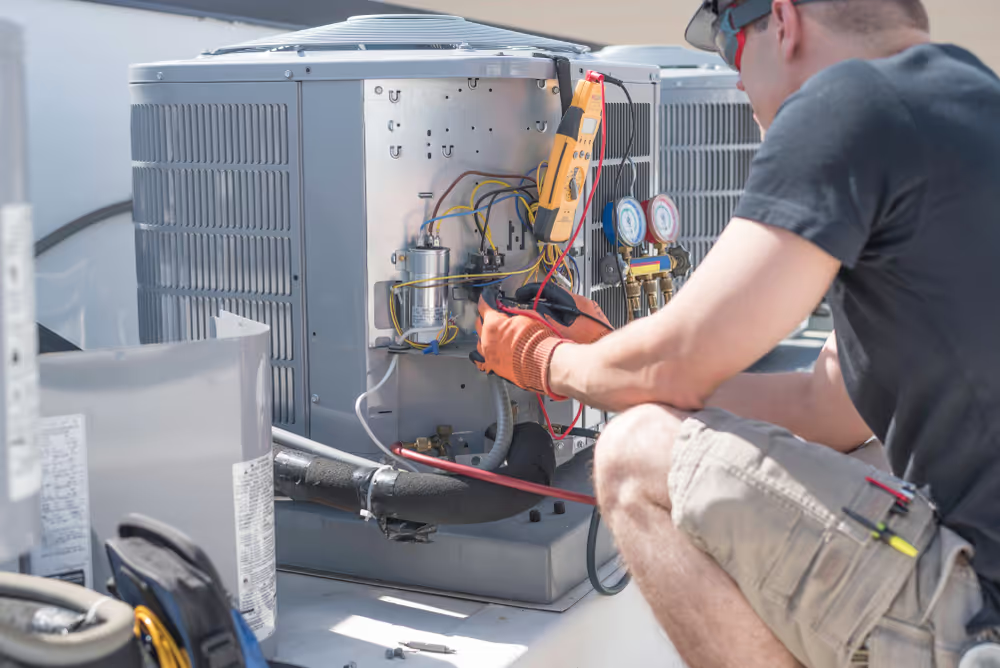
Yes. Salt air can affect outdoor HVAC equipment near the Alabama Gulf Coast by contributing to corrosion on coils, cabinets, electrical connections, fan components, and other exposed parts. Homes and condos near Gulf Shores, Orange Beach, Fort Morgan, and waterfront areas may see outdoor equipment age faster than systems farther inland. Salt-air exposure does not automatically mean a system needs replacement, but it can make maintenance, coil condition, electrical inspection, and proper installation more important. Corrosion can reduce efficiency, restrict heat transfer, and contribute to service problems during hot weather. If the outdoor unit is noisy, not starting, cycling frequently, or struggling to cool, schedule HVAC diagnostics. A technician can assess whether repair, cleaning, maintenance, or replacement is the better option.