Call/Text (251) 979-9396 or Click Here to Book Now!
Condo and commercial plumbing on the Alabama coast is different from house plumbing in three ways. One failure can affect several owners at once because units stack on shared risers and drains. Long seasonal vacancies leave water sitting in warm pipes, which raises leak and Legionella risk. Many beachfront towers also meet CDC criteria for a building water management program. Associations that plan maintenance in the off-season, map shut-offs, and keep one accountable plumbing vendor spend less time on emergencies.
Gone Coastal Plumbing and Air works with property managers, condo associations, builders, and commercial owners across Baldwin County. This guide is for the people who answer the phone when a unit floods at 2 a.m.
In a house, a leak is usually one owner's problem. In a condominium, plumbing is shared, stacked, and often partly owned by the association.
Knowing where owner responsibility ends and association responsibility begins before a leak makes every repair decision faster.
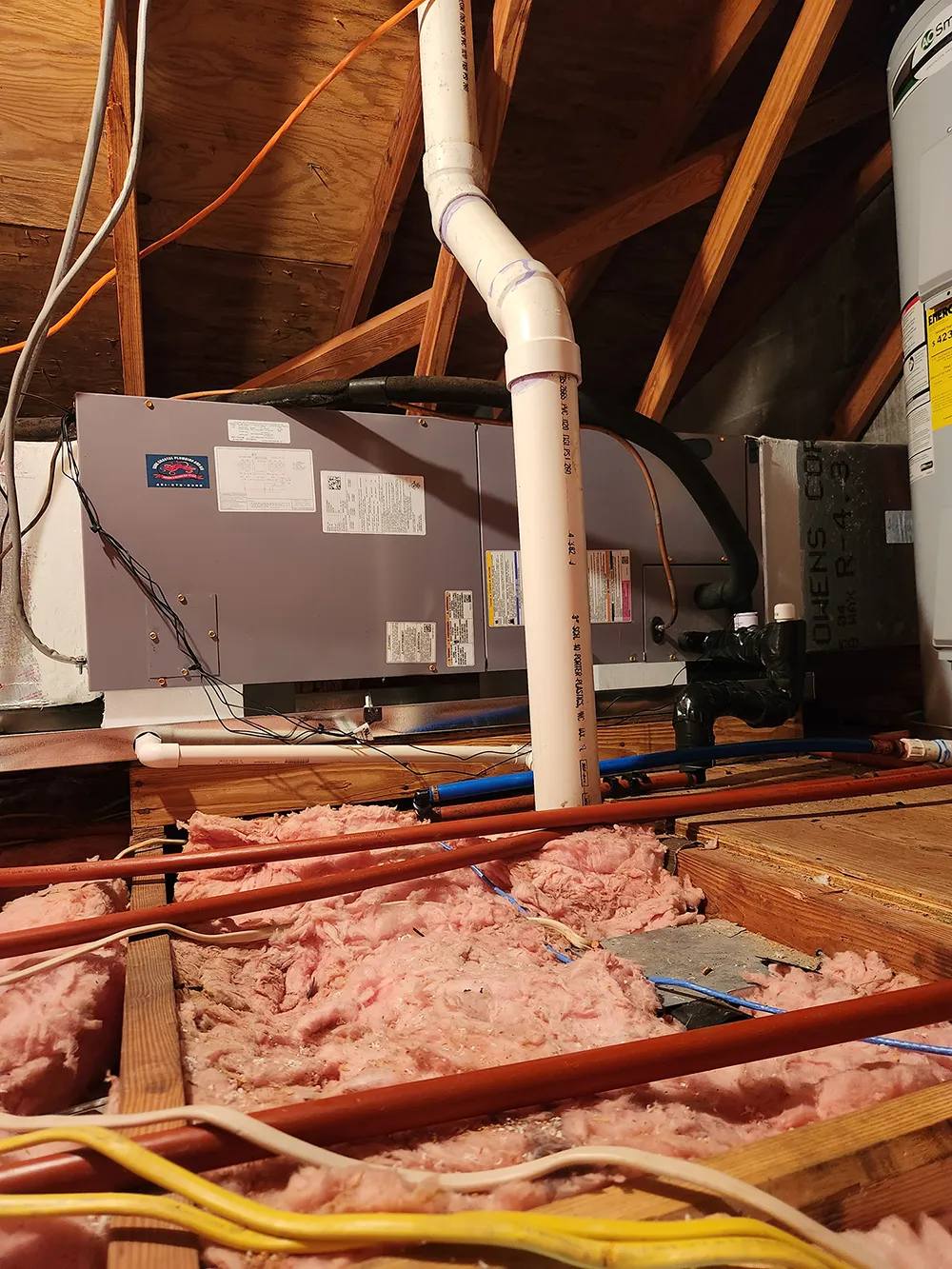
In low-rise and mid-rise buildings, supply lines often run through attics or ceiling cavities above units. Gulf Coast attic heat is hard on older piping and fittings, and an attic leak often announces itself through a ceiling after damage has already started.
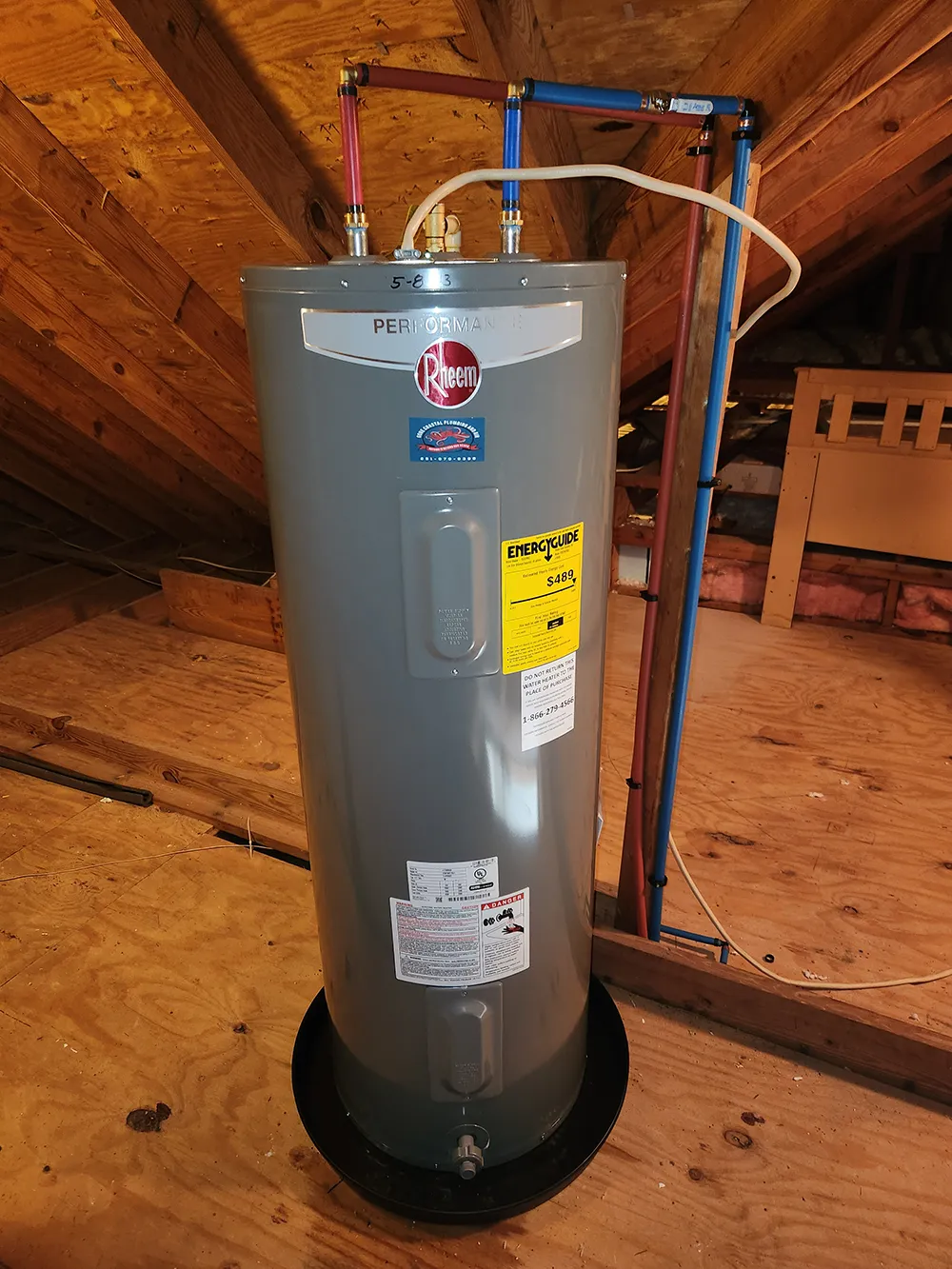
Every tank water heater in a condo stack is a potential flood for the unit below. A failed tank in a vacant unit can run for days before anyone notices. Associations that track water-heater age, require drain pans connected to a drain, and encourage scheduled replacement avoid a large share of their worst claims.
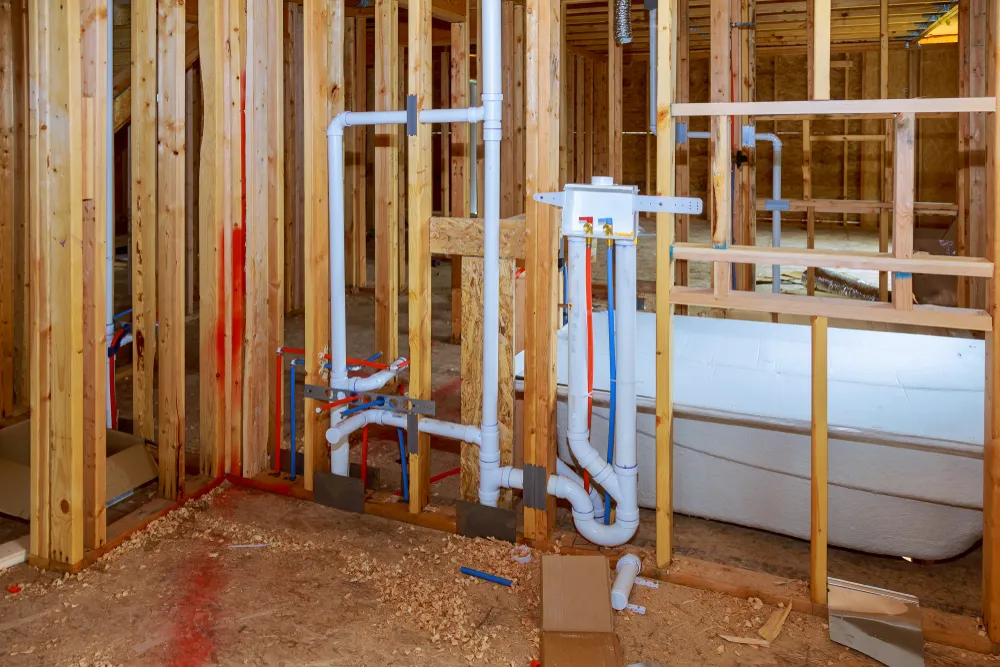
Kitchen grease and wipes from one unit can become a backup in another. In a vertical building, a clog in a shared stack shows up at the lowest fixture on that line, which is rarely the unit that caused it. Periodic camera inspection and cleaning of main stacks costs far less than an emergency backup during a full rental week.
Rubber washer hoses and braided supply lines under sinks and toilets have finite lives. A building-wide replacement program, timed during the off-season, is one of the most cost-effective actions an association can take.
Orange Beach and Gulf Shores condos can sit empty for weeks or months between seasons. Water that sits still in pipes loses disinfectant, and the CDC notes that Legionella grows best between 77°F and 108°F. A closed-up unit through a coastal summer can sit in that range for a long time.
The CDC building water management worksheet says a building should have a water management program if it has more than 10 stories, including basement levels, or has multiple housing units with a centralized hot-water system. Many beachfront towers meet one or both criteria.
A plumber can help with flushing, temperature settings, mixing valves, dead-leg removal, and repairs. A building that needs a formal written program or water sampling should bring in a water-management specialist for that part.
The coastal calendar decides it. Peak rental season is the worst time for work that requires shutting water off to a stack or riser. The best windows are the gaps between summer rentals ending and winter visitors arriving, plus quieter weeks after the holidays.
Baldwin County has seen real cold recently. The National Weather Service recorded 6°F in Mobile in January 2025 and a record 28°F in November 2025. Exposed pipe in parking levels and breezeways is the first to go.
Structural damage, mold remediation, fire sprinkler systems, and formal water-management plan writing belong to other specialists. If a leak has damaged drywall or framing, plumbing repair stops the water and documents the cause; restoration work belongs to a restoration company.
It depends on where the leak started and what the building declaration and bylaws say. Pipes serving only one unit are often the owner's responsibility, while shared risers and stacks are often the association's. Insurance policies on both sides matter too.
According to the CDC, buildings with more than 10 stories or with multiple housing units and a centralized hot-water system should have a water management program. Many Orange Beach and Gulf Shores towers fit those criteria. Hot tubs and decorative fountains need management in any building.
Track the age of every unit's water heater, require drain pans connected to a drain, and encourage replacement on a schedule instead of waiting for failure. Vacant seasonal units deserve the most attention.
Schedule it between the end of summer rental season and the arrival of winter visitors, or in quieter weeks after the holidays. Those windows allow shut-offs to risers and stacks without disrupting full occupancy.
Units share drain stacks. A clog in a shared line backs up at the lowest fixture on that line, which is often a unit or common area that did nothing wrong. Periodic camera inspection and cleaning helps prevent this.
Get a written record of what failed, where it was, the cause if known, and what was repaired or replaced, with photos and the date. Boards and insurers both need this documentation.
Gone Coastal Plumbing and Air handles commercial and multi-unit plumbing for associations, property managers, and owners in Orange Beach, Gulf Shores, Foley, Fort Morgan, Perdido Beach, Daphne, Fairhope, and across Baldwin County. Licensed Alabama master plumber MP-3978, BBB accredited, 20+ years in the trade.
Call/Text (251) 979-9396 or Click Here to Book Now!
Related reading:
We offer 24/7 emergency services! Our team is ready and eager to assist you with any inquiries you may have. At Gone Coastal, nothing is beyond our reach.