Call/Text (251) 979-9396 or Click Here to Book Now!
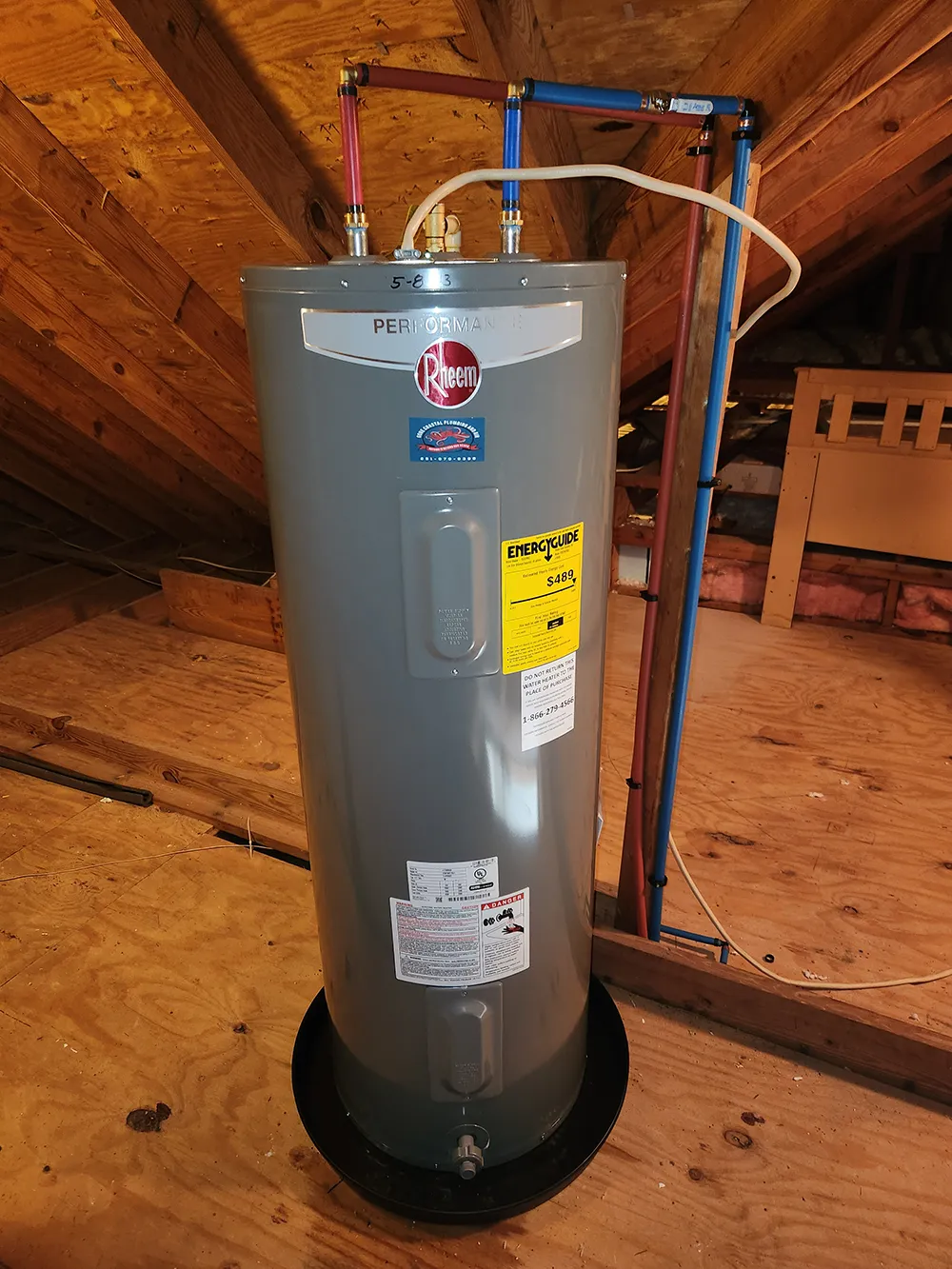
A proper water heater replacement is more than swapping one tank for another. The new unit should sit in a drain pan where a leak would cause damage, have a temperature and pressure relief valve piped to a safe discharge point, get an expansion tank if your plumbing system is closed, and be connected with new shut-off and supply fittings. Gas units need correct venting and a leak test. Electric units must be filled before the power goes on. If a quote leaves those out, ask why.
Water heaters show up in the searches that find Gone Coastal every month, and replacements are among our most common jobs. Most homeowners buy one only once every many years, so few know what a good install should include. This guide walks through it.
Replacing a tank with the same size and fuel type in the same location is the simplest job. Changes add scope:
If your current tank never kept up, say so. Household size, bathrooms and guests should drive the size, not whatever was there before.
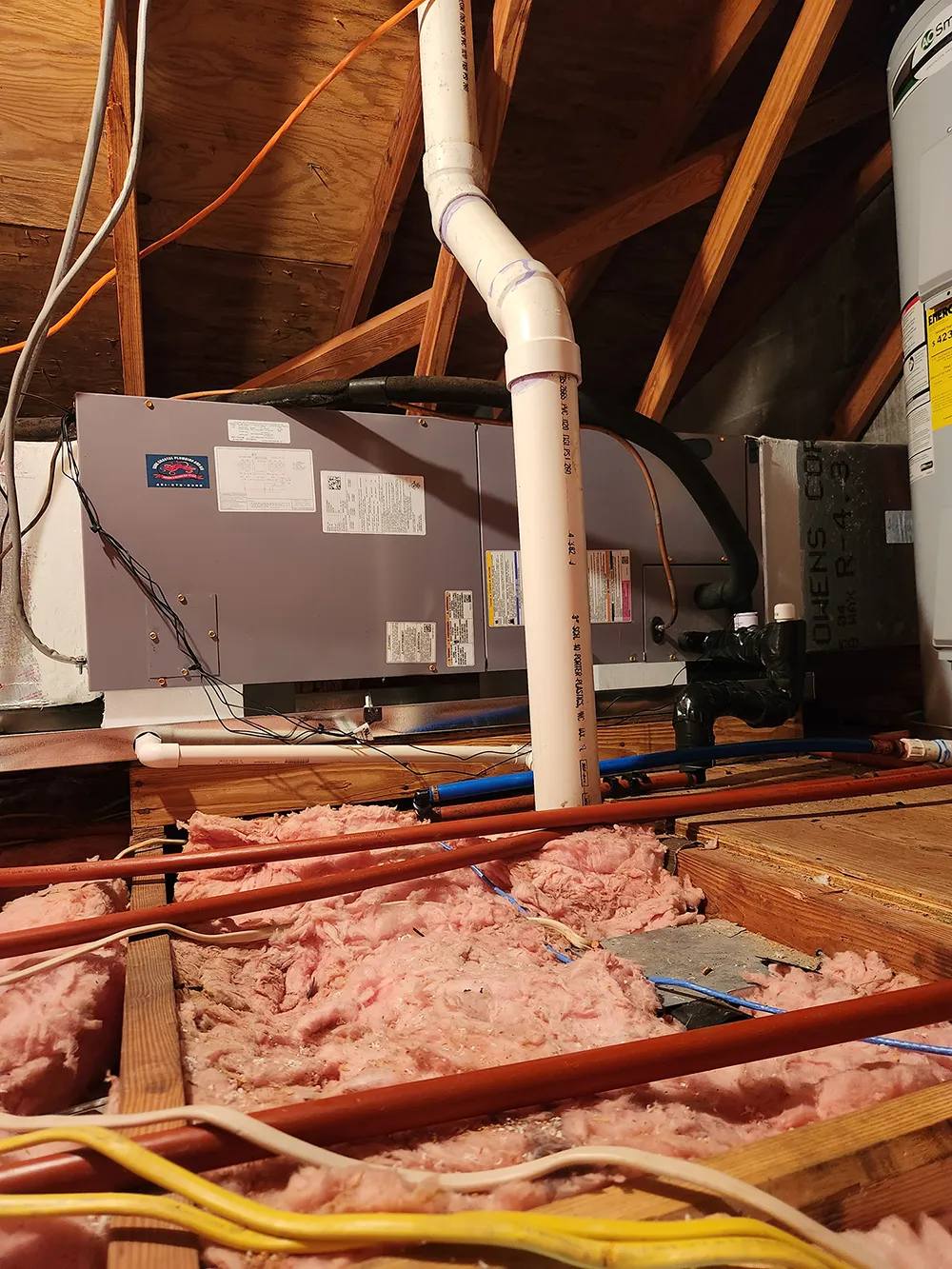
Garage, closet, attic or under an elevated house all change the job. Attic and closet installs need a pan that drains somewhere safe. Units under elevated coastal homes need protection from weather and flooding. Clear a path to the water heater before the crew arrives.
Removal and disposal of the old unit are commonly included, but confirm it when you schedule.
A standard tank replacement follows a predictable sequence:
Gone Coastal's water heater replacement service includes the related components a job needs, such as expansion tanks, shut-off valves and pressure relief valves, installed to local code. Permit requirements vary by jurisdiction inside and outside city limits, so your plumber should know what applies at your address.
Electric elements sit in the water. Turn the power on before the tank is full and an element can burn out within seconds. It is one of the most common do-it-yourself mistakes, and why a careful installer fills and purges the tank completely first.
120°F is the setting most commonly recommended for households, a balance of comfort, scald safety and energy use. There is an exception worth knowing: CDC guidance for reopening buildings after long vacancy recommends water heaters be kept at 140°F or higher to discourage Legionella, which matters for seasonal homes and vacation rentals that sit empty. If you set it higher, mixing valves or scald-limiting fixtures protect the people using the hot water.
Coastal Baldwin County's municipal water is soft and mildly acidic, according to the USGS, with iron in some areas. Acidic water consumes the tank's sacrificial anode rod, and iron and sand settle as sediment in the bottom of the tank. Salt air corrodes fittings and venting on units in open garages and under elevated homes. A new install is a good time to ask about checking the anode on a schedule and flushing sediment, which help a tank reach its full life.
The U.S. Department of Energy finalized new efficiency standards in May 2024 that apply to residential water heaters manufactured on or after May 6, 2029. Under the published rule, larger electric tank water heaters will meet the standard through heat pump technology, while smaller ones can still use standard electric resistance heating, and gas-fired water heaters remain available.
What this means for you today: nothing, if your water heater is working. The rule applies to new units made after that date, not to water heaters already installed, and it does not stop anyone from repairing an existing heater. It is worth knowing if you are deciding now between replacing an aging electric tank and waiting.
Not every water heater problem means a new one. A tripped reset or bad element on an electric unit, a failed thermostat, a pilot or igniter problem on gas, or a leaking drain valve can often be repaired. A leak from the tank body itself, or a tank that is rusting through, is the point where replacement is the only safe option. Our guide to deciding between water heater repair and replacement covers that call in detail.
A like-for-like tank replacement is usually completed in a few hours. Draining a sediment-filled tank, tight access, a change in size or fuel type, or added work such as new venting or an expansion tank can extend it. Switching to tankless is a larger project and typically takes longer.
You need one if your plumbing is a closed system, meaning a check valve, backflow device or pressure-reducing valve on the main keeps heated, expanding water from flowing back toward the street. Without an expansion tank, that pressure stresses the water heater, relief valve and fixtures. Your plumber can tell you whether your system is closed.
A drain pan sits under the water heater and catches drips or leaks, ideally routing them to a drain. Pans are commonly required where a leak would damage the building, such as attics, closets over finished space and upper floors. They are inexpensive and can prevent ceiling and floor damage.
120°F is the most common recommendation for homes. For seasonal homes or rentals that sit empty for long periods, CDC guidance for reopening buildings recommends keeping water heaters at 140°F or higher to discourage Legionella growth. Use scald protection at fixtures if you run it hotter.
No. The Department of Energy standards finalized in 2024 apply to water heaters manufactured on or after May 6, 2029. Water heaters already installed can stay in service and be repaired. The rule only changes what new units will look like, especially larger electric tanks.
Removal and disposal of the old unit are commonly included in a replacement, but it is worth confirming when you schedule. Draining and removing an old tank is part of a normal replacement day, so you should not be left to deal with it yourself.
Gone Coastal Plumbing and Air installs tank and tankless water heaters across Foley, Gulf Shores, Orange Beach, Daphne, Fairhope, Robertsdale, Silverhill, Fort Morgan, Elberta, Perdido Beach, Lillian, Summerdale and Magnolia Springs. Licensed Alabama master plumber MP-3978, BBB accredited, 20+ years in the trade.
Call/Text (251) 979-9396 or Click Here to Book Now!
Related reading:
We offer 24/7 emergency services! Our team is ready and eager to assist you with any inquiries you may have. At Gone Coastal, nothing is beyond our reach.